
Hydroponic gardening has revolutionized the way we grow plants, offering efficient and sustainable solutions for both commercial and hobbyist growers. Central to the success of hydroponic systems is water quality, making hydroponic water filtration systems indispensable for maintaining optimal plant health and productivity. In this comprehensive guide, we delve into the world of hydroponic water filtration systems, exploring their importance, types, benefits, and factors to consider when choosing the right system for your hydroponic setup.
Understanding the Importance of Hydroponic Water Filtration
Water serves as the lifeblood of hydroponic systems, delivering essential nutrients directly to plant roots. However, unfiltered water can harbor various impurities such as pathogens, chemicals, and particulate matter, posing significant risks to plant health. Hydroponic water filtration systems play a crucial role in removing these contaminants, ensuring that plants receive clean, nutrient-rich water for optimal growth and development.
Types of Hydroponic Water Filtration Systems
- Mechanical Filtration:
- Mechanical filtration involves the physical removal of particles from water using a barrier or medium. Common mechanical filtration methods include sediment filters, mesh screens, and filter pads. These systems are effective at capturing larger particles such as sediment, debris, and algae, preventing them from clogging irrigation lines and damaging delicate hydroponic components.
- Biological Filtration:
- Biological filtration relies on beneficial microorganisms to break down organic matter and neutralize harmful substances present in water. This process typically occurs in biofilters or biofiltration media, where bacteria colonies thrive and metabolize pollutants into harmless byproducts. Biological filtration is essential for maintaining water quality and promoting a healthy microbial ecosystem within hydroponic reservoirs.
- Chemical Filtration:
- Chemical filtration utilizes various compounds or absorbent materials to remove specific contaminants from water. Activated carbon filters, for example, effectively adsorb organic compounds, chlorine, and other chemical pollutants, enhancing water clarity and purity. Chemical filtration can be tailored to target specific waterborne impurities, making it a versatile option for hydroponic growers.
- Reverse Osmosis (RO) Systems:
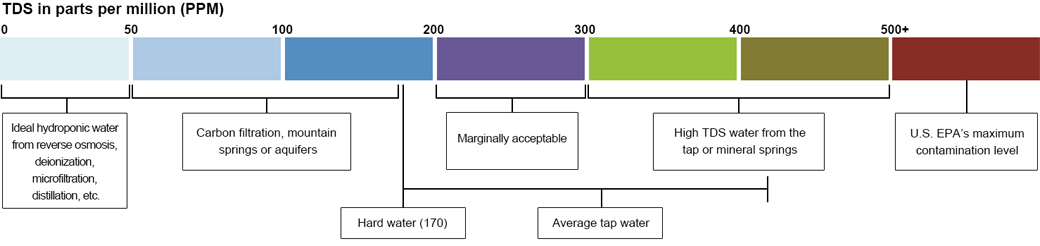
- RO systems employ semipermeable membranes to remove dissolved solids, minerals, and contaminants from water through a process of filtration and separation. These systems are highly efficient at producing purified water with low levels of conductivity, making them ideal for hydroponic applications where precise nutrient management is critical. RO systems can significantly improve water quality by removing impurities that may otherwise negatively impact plant growth and nutrient uptake.
Benefits of Hydroponic Water Filtration Systems
- Enhanced Plant Health: By removing harmful contaminants and pathogens, hydroponic water filtration systems contribute to improved plant health and vitality, reducing the risk of diseases and nutrient imbalances.
- Optimized Nutrient Uptake: Clean, well-filtered water ensures that plants can efficiently absorb essential nutrients, maximizing growth rates and yield potential.
- Preventative Maintenance: Filtration systems help prevent clogs, blockages, and equipment malfunctions caused by sediment buildup and waterborne debris, minimizing downtime and maintenance costs.
- Consistent Crop Quality: With reliable filtration in place, growers can maintain consistent water quality and nutrient levels, resulting in uniform crop growth and quality across hydroponic batches.
- Environmental Sustainability: By reducing the need for chemical additives and minimizing water waste, hydroponic water filtration systems promote environmentally sustainable growing practices, conserving resources and minimizing environmental impact.
Factors to Consider When Choosing a Hydroponic Water Filtration System
- Water Quality: Assess the quality of your water source and identify specific contaminants or impurities that need to be addressed.
- System Capacity: Consider the size of your hydroponic operation and choose a filtration system with sufficient capacity to meet your water volume requirements.
- Maintenance Requirements: Evaluate the maintenance needs of different filtration systems and select one that aligns with your schedule and resources.
- Cost and ROI: Compare the initial investment and ongoing operational costs of various filtration options, weighing them against potential benefits and long-term savings.
- Compatibility: Ensure that the chosen filtration system integrates seamlessly with your existing hydroponic setup, including reservoir size, plumbing connections, and nutrient delivery systems.
In conclusion, hydroponic water filtration systems play a vital role in ensuring the success and sustainability of hydroponic gardening ventures. By removing contaminants, optimizing nutrient delivery, and promoting plant health, these systems empower growers to achieve consistent yields of high-quality produce. When selecting a hydroponic water filtration system, consider factors such as water quality, system capacity, maintenance requirements, cost, and compatibility to make an informed decision that aligns with your specific needs and objectives.
 Apex Water Filters